
What makes a roofing material durable?
The most durable roofing material is not determined by lifespan alone. A roof must also withstand moisture, wind, temperature changes, snow, ice, sunlight, falling branches, and the maintenance conditions common to the property.
For homes in Glenmont, NY, durability usually depends on four factors:
- Resistance to repeated freezing and thawing
- Ability to shed rain and melting snow
- Strength against wind and impact
- Proper installation, ventilation, flashing, and drainage
A highly durable material can still fail early if water collects around chimneys, roof edges, valleys, skylights, or poorly sealed penetrations. Conversely, a moderately priced material may perform well for decades when the roof system is designed and installed correctly.
Which roofing materials last the longest?
The longest-lasting roofing materials commonly used on residential buildings are natural slate, copper, clay or concrete tile, standing-seam metal, and high-quality synthetic systems. Traditional asphalt shingles can also provide dependable service, but they generally have a shorter expected life than these premium materials.
Typical service ranges vary widely:
- Natural slate: Often 75 to more than 100 years
- Copper roofing: Commonly 60 to 100 years or longer
- Clay or concrete tile: Approximately 50 to 100 years
- Standing-seam metal: Often 40 to 70 years
- Synthetic slate or composite roofing: Roughly 30 to 50 years
- Architectural asphalt shingles: Commonly 25 to 40 years
- Basic three-tab asphalt shingles: Often about 15 to 25 years
These are broad estimates, not guarantees. Roof pitch, sun exposure, ventilation, material quality, installation details, storm damage, and maintenance can shorten or extend the actual service life.
Is metal roofing a durable choice for local homes?
Yes. Properly selected and installed metal roofing is among the most durable options for the region’s changing seasons. Standing-seam metal roofs have concealed fasteners and raised seams that reduce the number of exposed points where water can enter.
Metal roofing handles several common local challenges well:
- Heavy rain and rapid runoff
- Snow accumulation
- Strong wind
- Ice and repeated temperature changes
- Moss and algae growth, which can affect some other materials
Metal does not automatically eliminate winter problems. Snow can slide suddenly from a smooth roof, so snow guards may be appropriate above entrances, walkways, or lower roof sections. Metal panels can also expand and contract with temperature changes, making fastening details and movement allowances important.
The main disadvantages are higher initial cost, visible dents from severe hail or falling limbs, and the need to match the roof design to the home’s structure and appearance.
How does slate compare with other long-lasting materials?
Natural slate has one of the longest potential service lives of any residential roofing material. It is resistant to fire, insects, rot, and many forms of weathering. Its dense surface absorbs little water, which is useful in a climate with wet seasons and repeated freezing.
Slate also has limitations that should not be overlooked. It is heavy, and many homes require a structural review before slate is installed. Individual pieces can crack if walked on improperly or struck by falling branches. Repairs may also require matching pieces of the correct thickness, size, and attachment style.
Synthetic slate can provide a similar appearance with less weight. Its performance depends heavily on the specific product and installation method, so “synthetic slate” should not be treated as a single uniform category.
Are clay and concrete tiles practical in a cold climate?
Clay and concrete tiles can last for decades, and both resist fire, insects, and decay. Their curved or interlocking shapes can create effective drainage when the roof has the correct pitch and underlayment.
The major concern is brittleness. Tiles can break from impact, improper foot traffic, or severe freeze-thaw stress. Concrete tile is also heavy, while clay tile can be more vulnerable to cracking in certain conditions. Underlayment, flashing, and fastening systems are especially important because the tiles themselves are only part of the roof assembly.
Tile can be durable in Glenmont, but it must be selected for local weather exposure and supported by a structure designed to carry its weight.
Are asphalt shingles durable enough for Glenmont homes?
Quality architectural asphalt shingles are durable enough for many homes and remain one of the most practical choices. They are lighter and generally easier to repair than slate, tile, or some metal systems.
Their life expectancy depends on more than the label on the package. Important influences include:
- Shingle thickness and construction
- Proper attic ventilation
- Adequate underlayment
- Correct nail placement
- Reliable flashing around roof openings
- Protection from prolonged shade and moisture
- Exposure to wind and falling debris
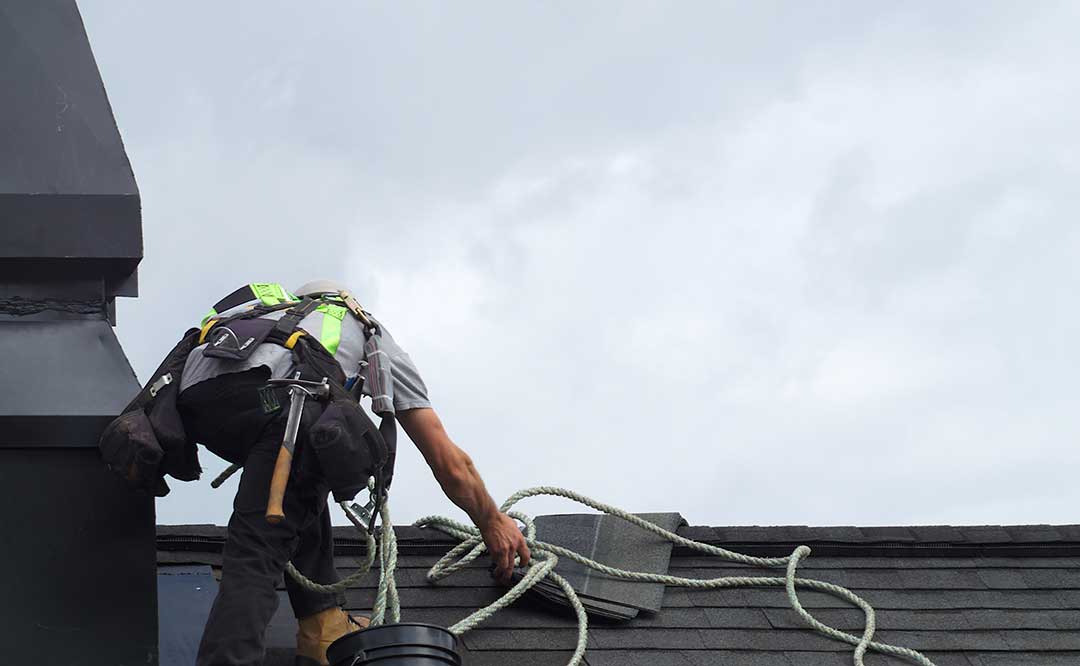
A thicker architectural shingle usually offers better performance than a basic three-tab shingle, but a higher rating does not make the roof immune to storm damage. Granule loss, curled edges, exposed fasteners, and deteriorated flashing are signs that the roof may be aging even if leaks have not appeared inside.
What roof features matter as much as the material?
A durable roof is a system, not simply a visible outer layer. Several less noticeable components strongly affect service life.
Ventilation: Balanced intake and exhaust ventilation helps manage attic heat and moisture. Poor ventilation can contribute to condensation, mold, wood deterioration, and premature shingle aging.
Flashing: Metal or membrane flashing directs water around chimneys, walls, valleys, skylights, and roof-to-wall transitions. These areas often leak before the field of the roof wears out.
Underlayment: Underlayment provides a secondary water-shedding layer beneath the outer roofing material. It becomes especially valuable when wind-driven rain or melting snow reaches beneath the surface.
Roof slope: Steeper roofs generally shed water and snow more quickly. Low-slope sections require different drainage and membrane details than steep shingle roofs.
Gutters and drainage: Blocked or poorly pitched gutters can keep roof edges wet and allow ice buildup. Water that backs up under the roof covering can cause damage that is difficult to see from the ground.
Which durable material is best for a particular home?
The right choice depends on the building rather than on a single “strongest” material. A useful comparison includes:
- Longest potential life: Natural slate or copper
- Strong balance of durability and weight: Standing-seam metal
- Traditional appearance with substantial longevity: Clay or concrete tile
- Lower weight with a slate-like appearance: Synthetic roofing
- Broad practicality and easier repair: Architectural asphalt shingles
Budget is only one consideration. Structural capacity, roof pitch, existing layers, snow-shedding behavior, ventilation, tree exposure, and the expected time of ownership can matter just as much.
For older homes, adding a very heavy material without checking the roof structure can create a safety problem. For homes beneath mature trees, impact resistance and repairability may be more valuable than a theoretical maximum lifespan.
How can residents extend the life of a durable roof?
Routine observation helps identify small problems before they become structural damage. After major wind or ice events, look for missing or displaced roofing pieces, loose flashing, blocked drainage, and unusual dampness in the attic.
Avoid walking on slate, tile, or brittle aging shingles. Keep gutters and downspouts clear, trim branches that repeatedly contact the roof, and address moss or algae without aggressive pressure washing. Interior warning signs include ceiling stains, peeling paint, musty odors, and damp insulation.
The most durable roofing material is the one that suits the home’s structure, roof design, exposure, and maintenance needs. In Glenmont, a well-designed roof with sound drainage and careful flashing can outperform a more expensive material that was poorly matched to the building.
