
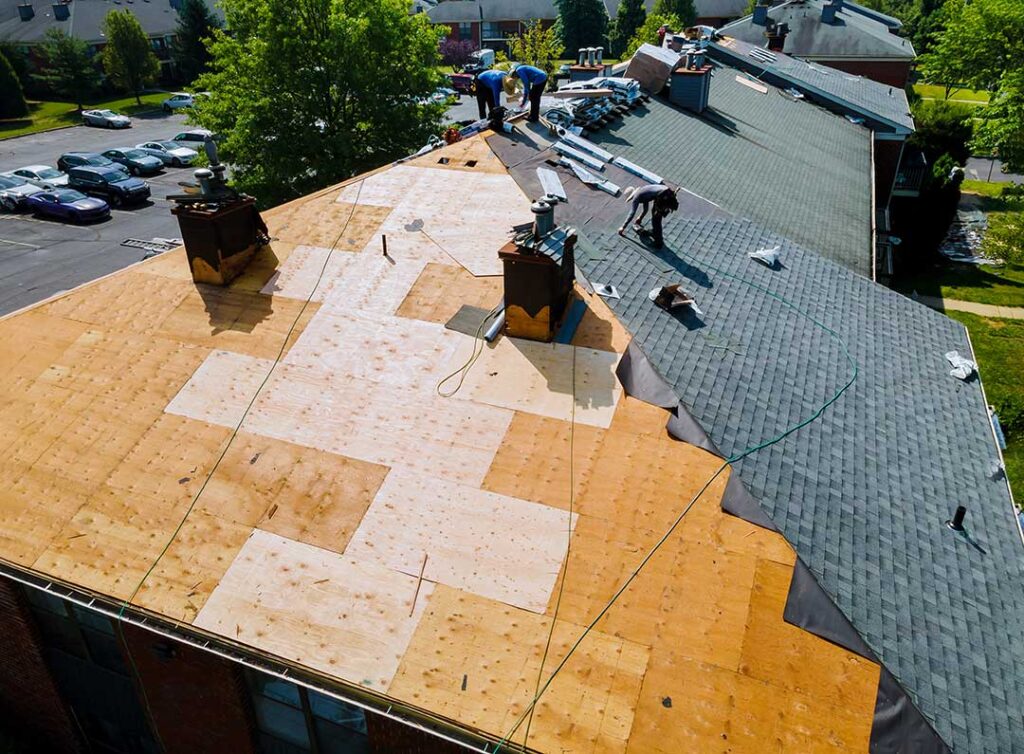
What Tools Are Truly Needed for Roof Maintenance in Glenmont, NY?
Residents of Glenmont, NY face four distinct seasons, each adding unique demands to the care of local roofs. To handle maintenance tasks safely and effectively, area households benefit from using the right equipment, suited both to common roofing materials and changing weather conditions. Whether dealing with asphalt shingles, metal, or flat roofs, a few core tools can make inspecting, cleaning, and repairing easier—and safer.
Safety First: How Can You Protect Yourself on the Roof?
Personal safety is the top concern for any homeowner performing roof maintenance. The right safety gear is not just helpful; it can prevent accidents and injuries.
- Sturdy Extension Ladder: Chosen based on roof height, with stabilizing feet and non-slip rungs, ladders keep access stable. Local homes often have moderate slopes, making surefooted ladders necessary for varying entry points.
- Non-Slip Footwear: In Glenmont’s wet springs and icy winters, shoes with strong grip help prevent dangerous slips on damp shingles or metal surfaces.
- Safety Harness and Roof Anchors: Especially with two-story or steeply pitched roofs, a harness secured to an anchor point is advised. Falls from any height can be serious, and local roofs sometimes collect moss or algae, increasing slickness.
- Work Gloves and Eye Protection: Protecting hands from sharp edges, stray nails, and loose granules, along with keeping eyes safe from debris, are smart habits for any project.
Misconception: Many people believe a simple ladder and sneakers are enough. For steady footing and fall prevention—particularly during the freeze-thaw cycles common in the region—dedicated, purpose-built safety gear is a much safer choice.
Which Inspection Tools Help Spot Roof Problems Early?
Regular inspection lets local residents address minor issues before they worsen with rain, snow, or freeze. Certain tools make this step more reliable:
- Binoculars: For a quick ground-level scan, binoculars help identify damaged flashing, missing shingles, or moss buildup before climbing up.
- Chalk or Grease Pencil: Mark areas of concern directly on the roof or flashing to revisit when performing repairs.
- Measuring Tape: Not just for repairs, this helps calculate the square footage of trouble spots when buying patch materials.
Why it matters: The area’s seasonal storms and winter melts make early problem detection particularly valuable. Even faint cracks can allow leaks in heavy spring rains, so catching them early saves future cost and headache.
What Basic Cleaning Tools Are Useful for Roof Upkeep?
Routine cleaning extends a roof’s lifespan and wards off moss, debris, and water damage. Glenmont’s tree-lined neighborhoods often see organic debris collecting on roofs, especially after autumn leaf fall or spring storms.
- Roof Rake or Leaf Blower: A roof rake with a telescoping handle lets residents remove leaves or light snow without leaving the ground. For light debris and dust, a leaf blower is gentle on shingles compared to pressure washers, which can cause granule loss.
- Soft Bristle Broom: Especially for moss or algae patches, a soft broom can dislodge growth without damaging shingle surfaces. Avoid anything with stiff bristles or wire unless the roof type specifically allows it.
- Plastic Scoop or Gutter Cleaning Tool: Keeping gutters clear is essential for preventing ice dams and water back-up. A thin plastic scoop fits most local rooflines and gutter shapes.
Common mistake: Many assume pressure washers speed cleaning. In reality, Glenmont’s typical asphalt shingle roofs can lose critical granules, reducing their lifespan. Gentler cleaning methods are better suited to this climate.
Which Repair Tools Are Handy for Small DIY Fixes?
Not all maintenance means major repair. Homeowners frequently fix minor issues like loose shingles, nails, or flashing. Having a few reliable hand tools makes these small fixes manageable between visits from professionals (when truly needed).
- Flat Pry Bar: Useful for gently lifting shingles or removing damaged materials with precision.
- Caulking Gun: Seals small cracks, flashing edges, or vents. Choose weatherproof roof sealant recommended for the area’s freeze-thaw cycles.
- Hammer and Roofing Nails: For small reattachments, using compatible nails (galvanized for the climate) will prevent rust and hold up through wet and icy conditions.
- Utility Knife: Cutting roofing materials, underlayment, or caulking is easier and safer with a sharp, steady blade.
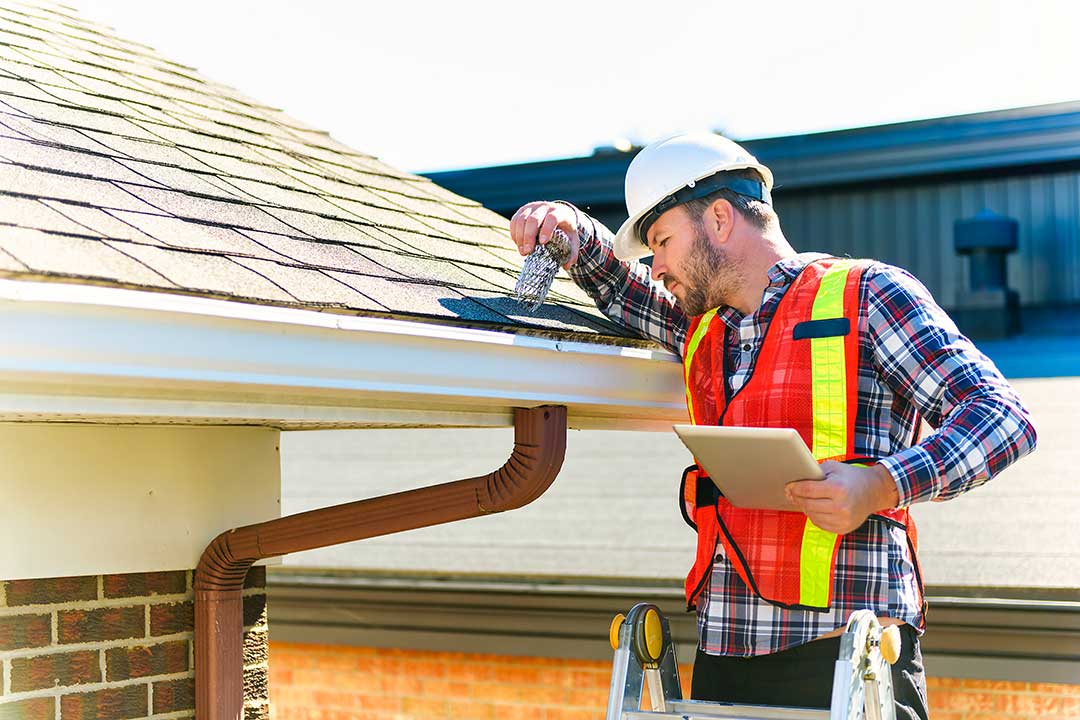
Example: After a windstorm, a few shingles may come loose along an edge or near a vent. Using a pry bar, caulking gun, and galvanized nails, residents can secure these quickly before rain or snow makes matters worse.
Are There Special Tools for Seasonal Concerns in Glenmont?
Each season presents different challenges in the city’s climate. A few specialized tools can be helpful for issues like ice dams, snow loads, and spring moss.
- Snow Roof Rake: During winter, removing excess snow from the lower edge of a roof reduces ice dam risk, a common winter hazard in southern Albany County.
- Algae-Resistant Cleaning Solutions: For spring maintenance, a garden sprayer allows targeted treatment of moss or algae without damage to local vegetation or roofing materials.
- Gutter Downspout Cleaning Wand: An extendable water jet can clear clogs and organic buildup common after autumn leaf drop.
Practical tip: Trying to chip away at ice dams directly can damage shingles and underlying materials. Extending snow rakes and improving attic ventilation (outside direct roof work) are safer approaches rooted in local weather patterns.
What Are Common Misunderstandings about Roof Maintenance Tools?
A common belief is that any general home repair kit will suffice. In reality, roofs require tools designed to prevent slips, protect fragile coverings, and address specific climate-driven risks. For example, while a regular household broom may suffice indoors, its bristles can be too harsh for asphalt, damaging protective granules.
Another misconception is that any leak can be patched with household caulk or tar. Products made specifically for roofing—those standing up to the freeze-thaw cycles and UV exposure frequent in the area—are needed to ensure repairs last.
How Can Local Residents Store and Care for Their Roof Maintenance Tools?
Proper storage extends the life and safety of these items. After each use, especially during fall and winter, ensure all metal tools are dry before storing them in a sheltered space. Safety harness gear should be checked for wear and cleaned according to the manufacturer's instructions to maintain reliability between uses. Ladders and roof rakes are best stored indoors or under cover to prevent rust or material warping from seasonal weather swings.
