

What Happens During a Typical Roof Replacement?
A roof replacement in Glenmont, NY follows a clear sequence designed to protect homes from the region’s rain, snow, and seasonal temperature swings. Local residents can expect the process to take anywhere from a single day to several days, depending on roof size, weather, and material choices.
Stages commonly include:
- Initial inspection and assessment
- Removal of old roofing
- Structural repairs (if needed)
- Installation of underlayment and flashing
- Shingle or roofing material application
- Final cleanup and inspection
Why Is the Initial Roof Inspection Essential?
A thorough inspection determines the roof’s current condition, uncovers hidden damage, and guides repair or replacement decisions. In Glenmont, heavy winter snow and spring rains can cause leaks or deterioration not visible from the ground.
Inspectors will look for:
- Missing or cracked shingles
- Signs of water intrusion in attics or ceilings
- Sagging rooflines
- Soft spots or rot in decking
This step prevents surprises later and helps homeowners understand which repairs, if any, are urgent.
How Is an Old Roof Removed Safely?
Tearing off the old roofing is noisy and messy, but necessary for a long-lasting result. The crew strips away shingles, nails, and old underlayment, taking care to protect landscaping and handle debris.
Glenmont homeowners can prepare by:
- Clearing driveways and moving vehicles
- Covering sensitive plants below the eaves
- Expecting temporary noise and vibration inside the home
Proper removal exposes hidden damage and provides a clean surface for the new materials.
What Repairs Might Be Needed Once the Surface Is Exposed?
During tear-off, unplanned repairs sometimes pop up, especially in regions with fluctuating weather and older housing stock like Glenmont. Water-stained or soft decking boards are common, especially near chimneys, skylights, and gutters.
Typical repairs include:
- Replacing rotted or delaminated plywood
- Reinforcing weakened rafters or trusses
- Securing loose sheathing
Delaying these repairs risks future leaks and higher repair costs.
What Materials Make Up a Reliable Roofing System?
A roof is more than shingles. Each layer serves a role protecting homes from wind, moisture, and temperature changes. Glenmont’s climate—with freeze-thaw cycles and occasional strong storms—shapes material choices.
A typical system includes:
- Drip edge to channel water away
- Ice and water barrier for leak prevention at eaves and valleys
- Synthetic or felt underlayment for basic moisture protection
- Flashing around chimneys, vents, and skylights
- Shingles, metal panels, or other top-layer materials suited to local weather
Quality installation of every layer is as important as material choice.
How Long Does the Process Take in This Area?
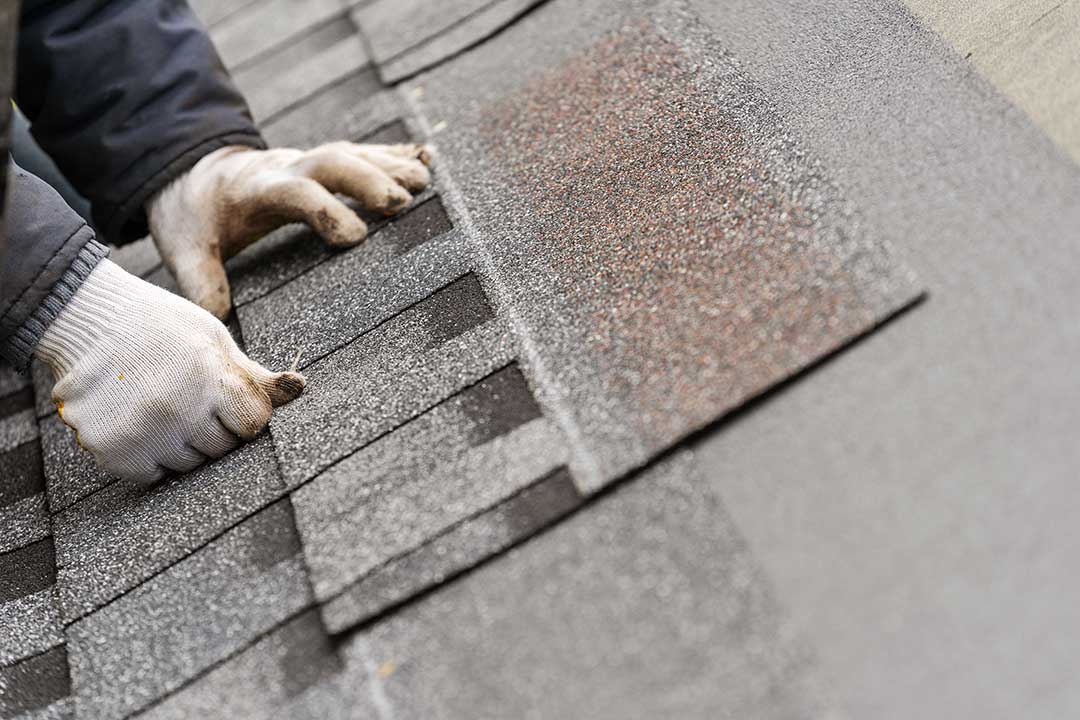
Most single-family homes in the community can expect a project to last one to three days in good weather. Complex roofs, unexpected repairs, or inclement conditions can extend the timeline.
Factors affecting duration:
- Access (steepness, landscaping, obstacles)
- Size and shape of the home
- Weather delays (especially rain or icy mornings)
- Number of layers to remove
Reliable crews keep neighbors informed to minimize disruption.
What Should Residents Watch for After the Job Is Done?
Once a new roof is installed, a final inspection ensures everything meets local building codes and manufacturer requirements. Cleanup includes removing debris, magnetic sweeping for stray nails, and checking gutters.
Residents might notice:
- Occasional stray nail or shingle fragment on the ground, especially after a storm
- Slight granule loss from new shingles (normal as they settle in the first few weeks)
- Improved insulation and fewer drafts if attic ventilation was addressed
It’s wise to keep records of material warranties, permits, and inspection checklists for future reference.
Are Permits or Inspections Required in Glenmont?
Most roof replacements require a building permit and, occasionally, a follow-up inspection by local code officials. Permits ensure the project meets safety standards and current codes, essential for insurance and resale.
To comply:
- Homeowners need to check local building department requirements ahead of time
- Project records should be available for official review if needed
Staying current with regulations helps protect property value and ensures long-term performance.
What Are Common Misconceptions About Roof Work in the Area?
A few persistent myths often surface in conversations among Glenmont homeowners:
- New shingles can always be installed over old ones: Local code typically allows only one overlay before full removal becomes necessary, and underlying problems may be missed with a second layer.
- All roofing takes weeks to complete: Most local projects finish quickly unless roofs are unusually complex or weather interrupts work.
- All roofing materials are equally suited for local conditions: Choices should account for local snow, rain, and freeze cycles.
Understanding these points helps residents make informed decisions and prevents costly mistakes.
