
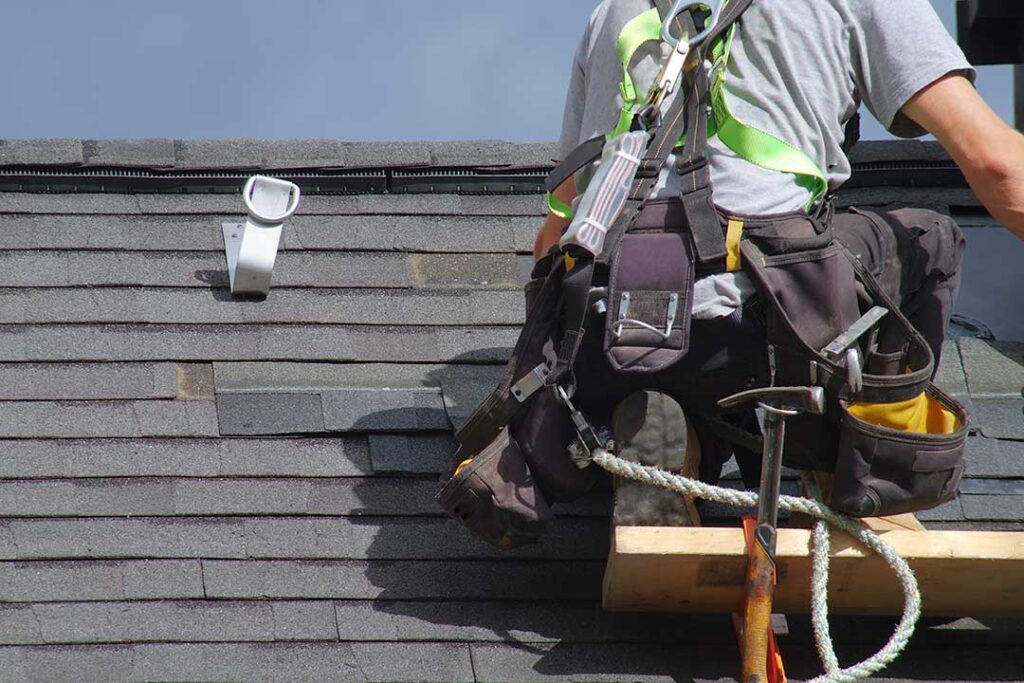
Roof repairs can range from replacing a few damaged shingles to correcting leaks around flashing, vents, chimneys, or roof edges. Choosing the right roofing company requires more than comparing prices. Homeowners should evaluate licensing, insurance, communication, repair methods, documentation, and whether the company understands the seasonal conditions common in Glenmont.
What should homeowners check before contacting a roofing company?
Start by identifying the problem as clearly as possible, but do not climb onto the roof if it is wet, steep, icy, or visibly damaged. From the ground or attic, note signs such as:
- Missing, lifted, cracked, or curled shingles
- Water stains on ceilings or upper walls
- Damp insulation or musty attic odors
- Granules collecting in gutters
- Damaged drip edges, fascia, or soffits
- Leaks that appear after wind-driven rain or snow
A visible ceiling stain does not always mark the exact location of the roof problem. Water can travel along roof decking, rafters, insulation, or interior framing before appearing indoors. A company that explains this possibility is generally providing more useful information than one that immediately assumes the nearest shingle is the source.
Photographs taken from the ground, attic, or upper windows can help during initial conversations. Include both close views of damage and wider views showing the roof section, nearby trees, roof penetrations, and drainage areas.
How can a homeowner verify that a roofing company is legitimate?
A reputable roofing company should be willing to provide basic business information before work begins. Ask for the company’s legal business name, physical mailing address, telephone number, proof of liability insurance, and workers’ compensation coverage when employees will be on the property.
In New York, homeowners should also ask what registrations, licenses, or local requirements apply to the proposed work. Requirements can vary by the type and location of the project. The roofing company should be able to explain which party is responsible for permits or inspections rather than leaving that question unresolved.
Insurance verification matters because a general statement such as “fully insured” is not the same as current documentation. The certificate should identify the business performing the work and show coverage dates that include the planned project.
References can be useful, but they should be treated as one part of the review. A list of names alone does not prove quality. More helpful questions include whether the work was completed on schedule, whether the final invoice matched the agreement, how unexpected conditions were handled, and whether the roof remained watertight through later storms.
What should a roofing repair estimate include?
A useful written estimate should describe the repair in enough detail that a homeowner can compare it fairly with another proposal. It should identify:
- The roof area or component being repaired
- The suspected cause of the damage
- Materials to be used
- Whether damaged underlayment, flashing, decking, or ventilation components are included
- Labor and disposal costs
- Warranty terms and exclusions
- Payment timing
- Conditions that could change the price
A vague proposal that says “repair roof leak” provides little protection for either side. It may not explain whether the work includes replacing wet decking, resealing a vent, correcting flashing, or simply applying surface sealant.
The lowest price is not automatically the most economical choice. A low bid may exclude necessary preparation, proper flashing work, disposal, attic moisture correction, or replacement of deteriorated materials. Conversely, a high price is not proof of superior workmanship. The comparison should focus on scope, materials, methods, and accountability.
How should homeowners compare repair methods?
The proposed solution should match the cause and extent of the damage. Small isolated failures may be repairable, while widespread aging, repeated leaks, brittle shingles, or deteriorated decking may indicate that a larger section requires attention.
Ask the roofing company to explain why the recommended repair is appropriate and what could happen if only the visible symptom is addressed. For example, replacing a shingle may not stop a leak caused by damaged step flashing. Sealing a roof penetration may not correct a broader drainage problem. Covering a damaged area with roofing cement may provide temporary protection but may not be a durable repair.
In Glenmont, seasonal temperature changes, snow, ice, wind, and repeated freeze-thaw cycles can expose weaknesses around roof edges, valleys, flashing, and poorly ventilated attic spaces. A sound evaluation should consider water movement, ventilation, drainage, and the condition of adjacent materials—not only the spot where water appeared indoors.
What questions reveal whether a company understands the problem?
Good questions encourage specific answers. Homeowners may ask:
- Where do you believe the water is entering?
- What evidence supports that diagnosis?
- Does the repair include checking the surrounding shingles and flashing?
- How will wet insulation or damaged decking be handled?
- Will the repair remain effective if the leak is caused by condensation rather than rain?
- What temporary protection is available if permanent work must wait?
- How will roof debris and old materials be removed?
- Who will perform the work, and who will supervise it?
- What does the workmanship warranty cover?
- What happens if the same area leaks again?
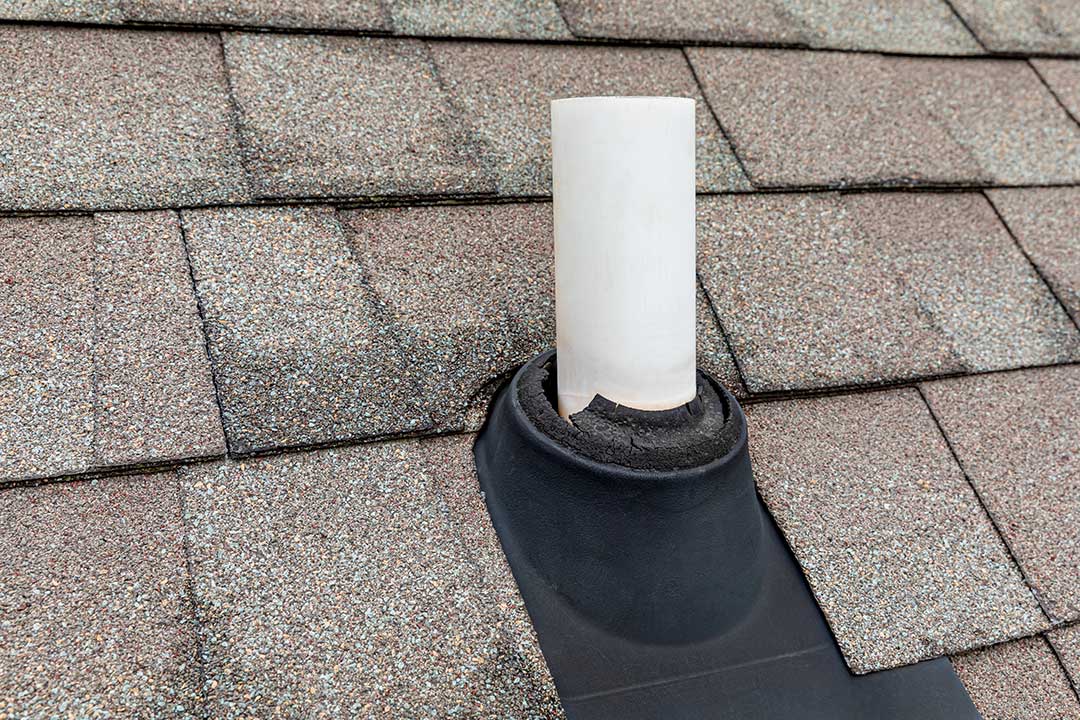
A trustworthy explanation does not need to guarantee that a leak will never recur. Roof leaks can involve multiple entry points, concealed damage, or unrelated moisture sources. However, the company should explain the limits of the diagnosis and identify any conditions that may require additional investigation.
Are emergency roof repairs handled differently?
Emergency repairs focus first on preventing further damage and protecting occupants. A temporary tarp or other short-term measure may be appropriate after wind, falling branches, or storm-related damage, but it should not be confused with a permanent repair.
Before approving emergency work, ask what is being done immediately, how long it is expected to last, and what additional work may be needed. Be cautious of anyone who pressures a homeowner to authorize a complete replacement without documenting the damage or explaining alternatives.
If water is near electrical fixtures, the priority is personal safety. Avoid touching wet electrical components, and use qualified assistance for electrical hazards. Wet ceilings can also become heavy and unstable, particularly when water has collected above drywall.
What warning signs suggest a roofing company should be avoided?
Several patterns deserve caution:
- Refusal to provide insurance information
- Pressure to sign immediately
- Requests for full payment before work begins
- A proposal based only on photographs without explaining limitations
- No written scope of work
- Claims that a roof must be replaced without inspecting it
- Unexplained deposits or sudden price changes
- Directions to pay an individual rather than the documented business
- Promises that insurance will definitely cover the work
- Poor communication after receiving payment
Storm damage can attract temporary or traveling crews that move quickly through affected areas. Homeowners should verify the company independently, avoid signing blank documents, and keep copies of all proposals, invoices, photographs, and messages.
How can homeowners make a sound final decision?
Compare at least two detailed proposals when the situation allows. The best choice is usually the company that provides a clear diagnosis, appropriate repair plan, current documentation, realistic timing, and understandable warranty terms.
Consider how the company communicates before any agreement is signed. If questions are answered patiently and changes are documented, the working relationship is more likely to remain manageable if concealed damage is discovered. If explanations are vague or pressure is constant, the repair process may become difficult even if the initial price appears attractive.
A careful selection process helps homeowners distinguish a genuine repair from a temporary patch, an appropriate replacement from an unnecessary one, and a documented agreement from a verbal promise. For area households, that preparation can reduce avoidable costs and improve the chance that a roof repair remains effective through the next season of rain, snow, wind, and temperature changes.
