
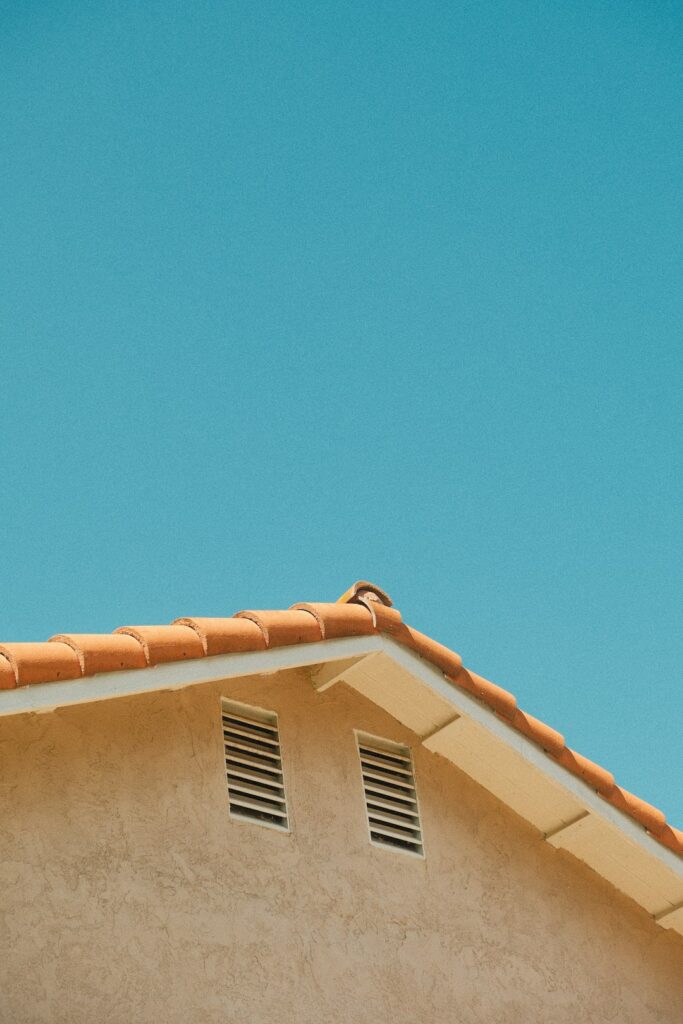
What are soffits and fascia?
In Glenmont, NY, soffits and fascia are two exterior roof components that help protect a home from moisture, pests, and ventilation problems. Although they are often noticed only when they become damaged, both parts play a practical role in keeping the roof edge and attic system working properly.
The soffit is the material installed on the underside of a roof’s overhang. Looking up from outside, it is the horizontal surface beneath the eaves. Soffits may be made from aluminum, vinyl, wood, fiber cement, or other building materials.
The fascia is the vertical board or finished panel along the lower edge of the roofline. Gutters are commonly attached to the fascia. Together, these components form a transition between the roof, exterior walls, attic, and drainage system.
Why are soffits important?
Soffits help ventilate the attic by allowing air to enter through openings along the eaves. This incoming air works with higher exhaust vents, such as ridge or roof vents, to move warm, humid air out of the attic.
Proper soffit ventilation can help:
- Reduce moisture buildup in the attic
- Limit condensation on roof framing and insulation
- Lower the risk of mold and wood decay
- Reduce excessive heat in the attic during summer
- Support more consistent roof performance during seasonal changes
Homes in this region experience cold winters, humid summers, rain, wind, and occasional heavy snow. Those conditions can place repeated stress on roof materials. If attic air cannot circulate, moisture from normal household activities—such as cooking, bathing, and drying clothes—may remain trapped and condense on cold surfaces during winter.
A soffit does not ventilate an attic simply because it exists. It needs properly sized openings, and those openings must remain clear. Insulation that blocks the area above the soffit can restrict airflow even when the exterior panels appear intact.
What does fascia do?
Fascia provides a finished edge for the roof and supports the outer edge of the gutter system. It also helps shield roof framing from direct exposure to rain, melting snow, wind-driven moisture, and insects.
A sound fascia board helps maintain:
- Secure gutter attachment
- A straight, finished roofline
- Protection for the ends of rafters or trusses
- A barrier against some forms of pest entry
- Proper overlap between roofing, edge metal, and exterior trim
Because gutters are often fastened into or near the fascia, water problems in the gutter system can affect the wood behind it. Overflowing gutters, loose fasteners, clogged downspouts, and ice buildup can repeatedly wet the fascia. Over time, the result may be staining, soft wood, peeling paint, or loosened gutter sections.
How do soffits and fascia work together?
Soffits and fascia form part of the roof edge assembly rather than functioning as isolated decorative pieces. The soffit helps air enter the attic, while the fascia helps protect and finish the roof edge and support drainage components.
The roof edge may also include drip edge flashing, rafter tails, insulation, gutter hardware, and roof sheathing. A problem in one area can affect another. For example, a leaking gutter may damage the fascia, while blocked soffit vents may contribute to attic moisture that weakens nearby wood.
This is why a small opening, sagging panel, or discolored section should be viewed in context. The visible damage may not identify the original source of the problem.
What are common signs of soffit or fascia damage?
Some problems are easy to see from the ground, while others become apparent only after closer inspection. Common warning signs include:
- Peeling or blistered paint
- Brown, gray, or black staining
- Soft, swollen, cracked, or crumbling wood
- Sagging or detached soffit panels
- Missing vent screens
- Small holes or gaps near roof edges
- Birds, insects, or rodents entering the attic
- Gutters pulling away from the roofline
- Water marks on exterior walls below the eaves
- Visible mold or mildew on soffit surfaces
Not every stain indicates structural failure. Dirt, algae, and weathering can discolor exterior trim. However, staining combined with softness, swelling, or recurring moisture deserves closer attention.

Damage is sometimes hidden behind gutter covers, trim caps, or overlapping panels. A roof edge can look acceptable from the yard while the wood behind the fascia has already deteriorated.
Do soffit vents always need to be open?
Yes, soffit vents need a clear path for air to move into the attic. Painting over vent openings, covering them with debris, or allowing insulation to fill the rafter spaces can reduce their effectiveness.
Common obstructions include:
- Leaves and windblown debris
- Insect nests
- Bird nests
- Thick exterior paint
- Improperly placed attic insulation
- Replacement panels with too few vent openings
- Gutter or trim modifications that cover the vent area
Ventilation also needs balance. Adding exhaust vents without enough intake air can reduce the effectiveness of the overall system. Likewise, more ventilation is not automatically better if it allows rain or snow to enter or disrupts the roof’s intended airflow pattern.
Are wood, vinyl, and aluminum soffits different?
The material affects appearance, maintenance, durability, and how damage develops.
Wood soffits and fascia can be painted and may match older homes, but they require protection from repeated wetting. Rot can spread behind paint, especially where end grain or joints absorb water.
Vinyl soffits resist many moisture-related problems and are relatively easy to clean. They can crack or become brittle with age, and panels may loosen after wind or impact.
Aluminum soffits and fascia are resistant to rot and are often used where low maintenance is preferred. They can dent, bend, or pull loose, and damaged sections may rattle in strong wind.
Material alone does not determine performance. Proper installation, flashing, ventilation, drainage, and routine inspection matter just as much.
How should homeowners inspect these areas safely?
A ground-level inspection can identify many warning signs without climbing onto the roof. Look along the eaves after heavy rain and again during dry weather. Check whether gutters remain straight and firmly attached, and look for water marks, gaps, sagging panels, or areas where trim appears swollen.
Attic inspection can also provide useful clues. Dark staining, damp insulation, rusted fasteners, musty odors, or frost on roof framing during cold weather may indicate excess moisture or inadequate ventilation.
Ladders and roof edges create fall hazards, particularly when surfaces are wet, icy, or unstable. Any inspection involving steep roofs, damaged structural wood, electrical equipment, or suspected animal entry requires appropriate safety precautions. Local building requirements may also apply when ventilation, roof edges, or exterior cladding are altered.
How often should soffits and fascia be checked?
A practical schedule is to inspect them at least twice a year and after severe weather. Spring inspections can reveal damage from winter ice, snow, and wind. Fall inspections are useful before leaves, rain, and freezing temperatures create additional drainage problems.
It is also wise to check the roof edge whenever gutters overflow, the attic develops a musty smell, or a new water stain appears indoors. Prompt attention can help distinguish a minor trim repair from a larger issue involving roof flashing, sheathing, insulation, or framing.
Soffits and fascia may look like finishing details, but they are part of the home’s moisture-control, ventilation, and drainage systems. Keeping them clear, secure, and dry helps protect the roof edge and supports a healthier attic environment through the region’s changing seasons.
