
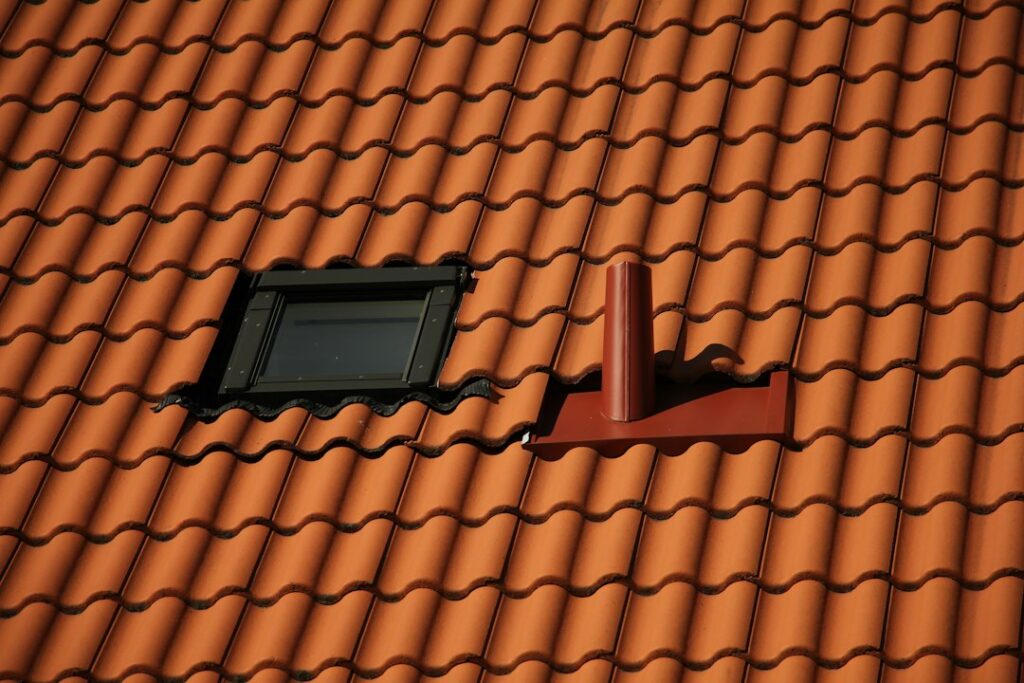
Roof penetrations are any places where pipes, vents, chimneys, skylights, wiring, or other objects pass through the roof surface. These openings are necessary, but they also interrupt the roof’s water-shedding layers. Proper sealing depends on more than adding caulk around the visible gap; the surrounding flashing, underlayment, fasteners, and roofing materials must work together.
For homes in Glenmont, NY, roof penetrations must withstand rain, snow, ice, freeze-thaw cycles, wind, and summer heat. A seal that looks sound during a dry inspection can still fail after repeated seasonal movement.
What counts as a roof penetration?
A roof penetration is any object or assembly that extends through the roof deck and roofing material. Common examples include:
- Plumbing vent pipes
- Bathroom and kitchen exhaust vents
- Chimneys and masonry flues
- Skylights
- Satellite or antenna mounts
- Electrical conduit
- Solar equipment attachments
- Roof-mounted heating or ventilation equipment
- Dormer wall intersections and other roof-to-wall transitions
Each type requires a slightly different sealing method. A plumbing vent, for example, generally uses a manufactured flashing boot, while a chimney requires layered metal flashing and counterflashing.
Why does caulk alone not properly seal a roof?
Caulk is a secondary seal, not the primary water-management system. It can shrink, crack, lose adhesion, or pull away as roofing materials expand and contract.
A durable roof penetration usually relies on several parts:
1. Flashing directs water around the penetration.
2. Underlayment provides a backup water-resistant layer.
3. The roofing material sheds water over the flashing.
4. Sealant closes small joints and fastener locations.
5. Counterflashing or protective trim covers exposed upper edges where needed.
Applying a thick bead of sealant over a cracked boot or improperly installed flashing may hide the problem temporarily, but it does not correct the drainage path. Water can still enter beneath the roofing material or travel along the roof deck.
How should a plumbing vent pipe be sealed?
A plumbing vent pipe is typically sealed with a flashing boot designed to fit around the pipe. The upper portion of the flashing should sit beneath the roofing courses above it, while the lower portion remains over the roofing below it. This layered arrangement allows water to flow downhill without being trapped at the pipe.
A proper installation generally includes:
- A boot sized closely to the pipe
- An intact flange without warping or splits
- Roofing fasteners placed where they will not create unnecessary leak paths
- Compatible sealant at exposed joints or fasteners when needed
- Roofing material installed tightly around the flashing
Rubber and flexible components can deteriorate from sunlight, temperature changes, and age. A boot may need attention even when the roof shingles still appear serviceable. Cracks around the pipe collar, lifted edges, rusted metal, and dark staining in the attic are warning signs.
What is the correct way to seal a chimney?
Chimneys require more than surface caulk. Their flashing system normally includes step flashing along the sides, base flashing across the lower edge, and counterflashing cut into or attached to the masonry. The upper portion must be arranged so water is directed around the chimney rather than behind it.
Mortar joints can also develop cracks or gaps. However, sealing masonry joints does not replace missing or poorly configured metal flashing. Water may enter at the chimney top, through masonry cracks, or where the chimney meets the roof.
A chimney should be treated as a complete water-management assembly. Look for:
- Open joints between flashing sections
- Rusted or separated metal
- Loose counterflashing
- Cracked mortar near the roof line
- Water stains on ceilings or attic framing
- Damp insulation near the chimney
Because chimney work often involves steep roof surfaces, masonry, and potentially hazardous flue components, repairs may require specialized safety measures.
How are roof vents and exhaust fans sealed?
Roof-mounted exhaust vents should be connected to the correct interior duct and covered by a flashing assembly made for that vent. The duct should discharge outdoors rather than into an attic. Exhausting warm, moist air into the attic can contribute to condensation, wet insulation, wood deterioration, and mold growth during cold weather.
The exterior vent cap should include protection against rain entry while still allowing airflow. A flap that is stuck open, a cracked housing, or a loose flashing flange can allow water or animals to enter.
Sealant may be used around the vent flange and fasteners, but the flange must also be properly layered with the roofing. A vent installed over the top of shingles without correctly integrating the upper flashing can leak even if its edges appear heavily sealed.
Can roof penetrations be sealed from inside the attic?
Attic sealing can reduce air leakage, but it does not replace exterior roof flashing. From inside the attic, small gaps around pipes, ducts, or electrical penetrations may be sealed as part of air-sealing and insulation work. That helps prevent conditioned indoor air from entering the attic.
However, a roof leak usually requires inspection from above. Water can travel along rafters, roof decking, insulation, or framing before appearing indoors. The location of an interior stain may be several feet away from the actual penetration.
For safety, avoid stepping directly on drywall ceilings, unsupported insulation, or areas of roof decking that appear soft or discolored.
Which sealants are suitable for roof repairs?
The correct sealant depends on the roofing material, flashing type, exposure, and joint being sealed. A product that adheres well to metal may not bond properly to aged roofing or masonry. Some sealants can also stain surfaces, remain too soft, or become brittle after weather exposure.

In general, a roof sealant should be:
- Compatible with the roofing and flashing materials
- Rated for exterior exposure
- Able to tolerate temperature changes
- Applied to a clean, dry, stable surface
- Used only where the flashing design calls for it
The sealant container’s instructions matter. Applying sealant to wet, dusty, icy, or frost-covered surfaces often leads to early failure. During cold seasons, surfaces may look dry while still holding frost or condensation.
When should a roof penetration be inspected?
Inspect penetrations at least twice a year and after severe wind, heavy snow, or unusual storms. In this area, spring is useful for finding damage from winter ice and freeze-thaw movement, while early fall inspections can identify problems before snow and cold weather arrive.
From the ground, look for:
- Missing or lifted roofing material near the penetration
- Rust, dents, or displaced flashing
- Cracked rubber collars
- Exposed nails or fasteners
- Dark roof stains
- Debris collecting around the penetration
- Water marks on ceilings or upper walls
A roof inspection is warranted sooner if there is active dripping, sagging ceiling material, wet insulation, a musty attic odor, or visible daylight around a roof opening. Electrical equipment exposed to water presents an additional hazard.
What common mistakes cause roof penetration leaks?
Several mistakes repeatedly lead to premature leaks:
- Sealing over dirt, frost, or wet materials
- Using caulk instead of replacing failed flashing
- Installing flashing on top of all roofing courses
- Covering the lower edge of flashing so water cannot drain
- Driving fasteners through exposed areas unnecessarily
- Mixing incompatible metals that may corrode
- Blocking an exhaust vent with sealant or debris
- Ignoring the roof-to-wall area above a penetration
- Assuming an interior ceiling stain identifies the exact leak location
Proper sealing is less about applying the largest amount of sealant and more about preserving the roof’s intended drainage pattern. Flashing should guide water downhill, roofing layers should overlap correctly, and sealant should support—not substitute for—the underlying system.
