

Why Are Roof Valleys Important for Glenmont, NY Homes?
Roof valleys are critical areas where two roof slopes meet, forming a channel that directs rainwater and snowmelt safely off your house. In Glenmont, NY, with its combination of snowy winters, spring thaws, and summer thunderstorms, valleys on residential roofs face heavy demands. If these areas start to fail, water can quickly find its way into your attic or walls, sometimes before you notice visible leaks. Recognizing issues early is essential to avoid costly structural or interior damage.
What Does a Failing Roof Valley Look Like?
A failing roof valley often shows clear—and sometimes subtle—physical warning signs. Residents might detect damage visually from the ground or during a safe inspection from a ladder, especially after weather events.
Common signals include:
- Rusted, corroded, or missing metal flashing in the valley channel
- Cracked, curled, loose, or missing shingles along the valley line
- Dark streaks or stains running down the valley, indicating water has penetrated beneath shingles
- Debris such as leaves or branches lodged in the valley, which can trap moisture and hasten deterioration
- Sagging or unevenness along the valley, possibly suggesting rotted roof decking or compromised support beneath
While some early symptoms may seem minor, they can escalate as freeze-thaw cycles and heavy rainfall put more stress on the valley.
How Do Seasonal Changes Affect Roof Valleys in Glenmont?
The climate in Glenmont means valleys are exposed to expansion, contraction, and direct impact from melting snow. Snow and ice buildup is common against valley channels, and repeated freezing and thawing causes:
- Water to seep under shingle edges, loosening nails or adhesive
- Ice dams to trap water, which can back up under valley flashing and reach your roof deck
- Accelerated wear, especially in older roofs where underlayment may be brittle
Homeowners should pay special attention to valleys after harsh winters or major storms, as that’s when small cracks or gaps most often grow into larger issues.
Why Is Valley Flashing So Prone to Problems?
Metal valley flashing is designed to be watertight, but it’s often the first line of defense during significant precipitation, making it vulnerable to:
- Corrosion from road salt-laden snow or blown-in grit
- Punctures or splits from falling branches or accumulated debris
- Lifting or wrinkling as shingles age and lose grip, exposing flashing edges
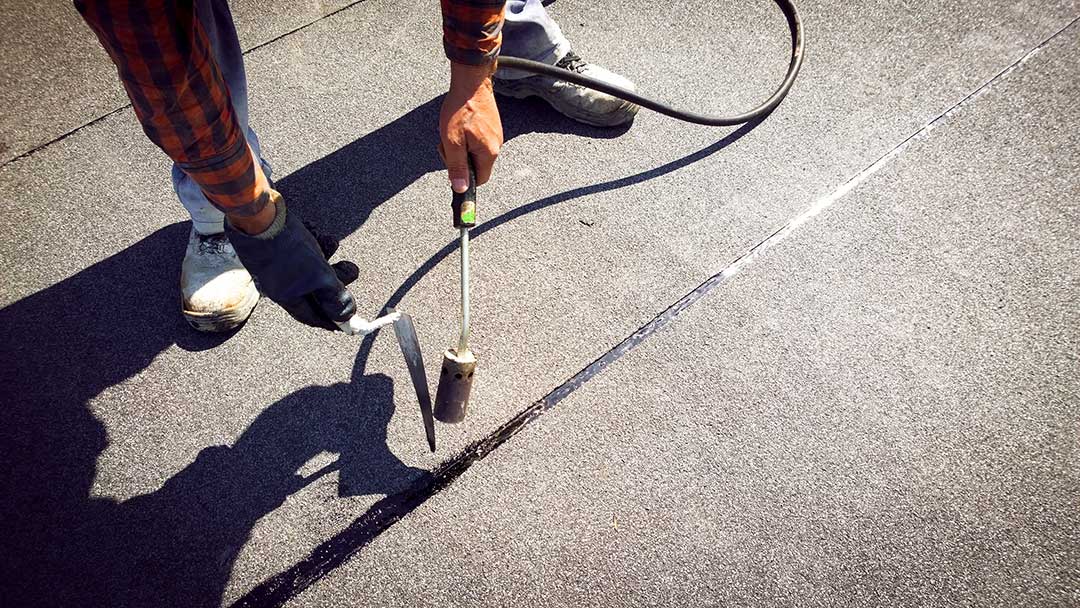
Any separation or hole in the flashing lets water bypass the intended drainage path, entering the roof system beneath. Even high-quality installations can develop minor gaps over time due to temperature shifts and material aging.
What Are Common Misconceptions About Roof Valleys?
Many local residents believe leaks always begin with obvious water spots on ceilings. In reality, roof valley leaks can remain hidden for months, causing rot or mold behind walls. Another common misconception is that ice and snow naturally “wash away” valley problems in spring; in fact, leftover ice or damp debris can keep materials saturated longer, exacerbating hidden damage.
Some assume that only old roofs are at risk. Valley failures can occur even on relatively new roofing if installation was improper, flashing was under-sized, or if the home’s roof pitch causes especially heavy water flow through certain valleys.
What Maintenance Helps Spot Valley Issues Early?
Proactive observation and gentle maintenance can reveal most valley problems before serious consequences arise. Residents can:
- Use binoculars from the ground to inspect valleys for unusual dents, discoloration, or debris piles
- Check attics after heavy storms for signs of moisture, especially in areas beneath valleys
- Gently clear loose leaves and twigs off the roof surface (never scraping or prying at flashing)
- Schedule attic or roof inspections after ice storms, if safe to do so, to catch harder-to-see gaps or minor rot
Neighborhood experience suggests that valleys beneath overhanging trees are particularly susceptible to damage and blockages. Even a single missed inspection season can let water infiltrate and cause decay.
When Should Safety or Local Rules Guide Resident Response?
If a roof valley is visibly deteriorated, sagging, or appears structurally compromised, residents should avoid climbing onto the roof themselves. There are real fall hazards due to slick, soft, or unstable surfaces—especially in damp months. Likewise, if electrical wiring or visible mold is present in the attic or ceiling, additional safety precautions are warranted.
Some homes in Glenmont may be subject to homeowners’ association rules or local requirements regarding roofing materials or visible repairs. Residents should consult local guidelines before undertaking significant roof or exterior work, especially if using ladders or working at height might affect pedestrian safety or shared property access.
